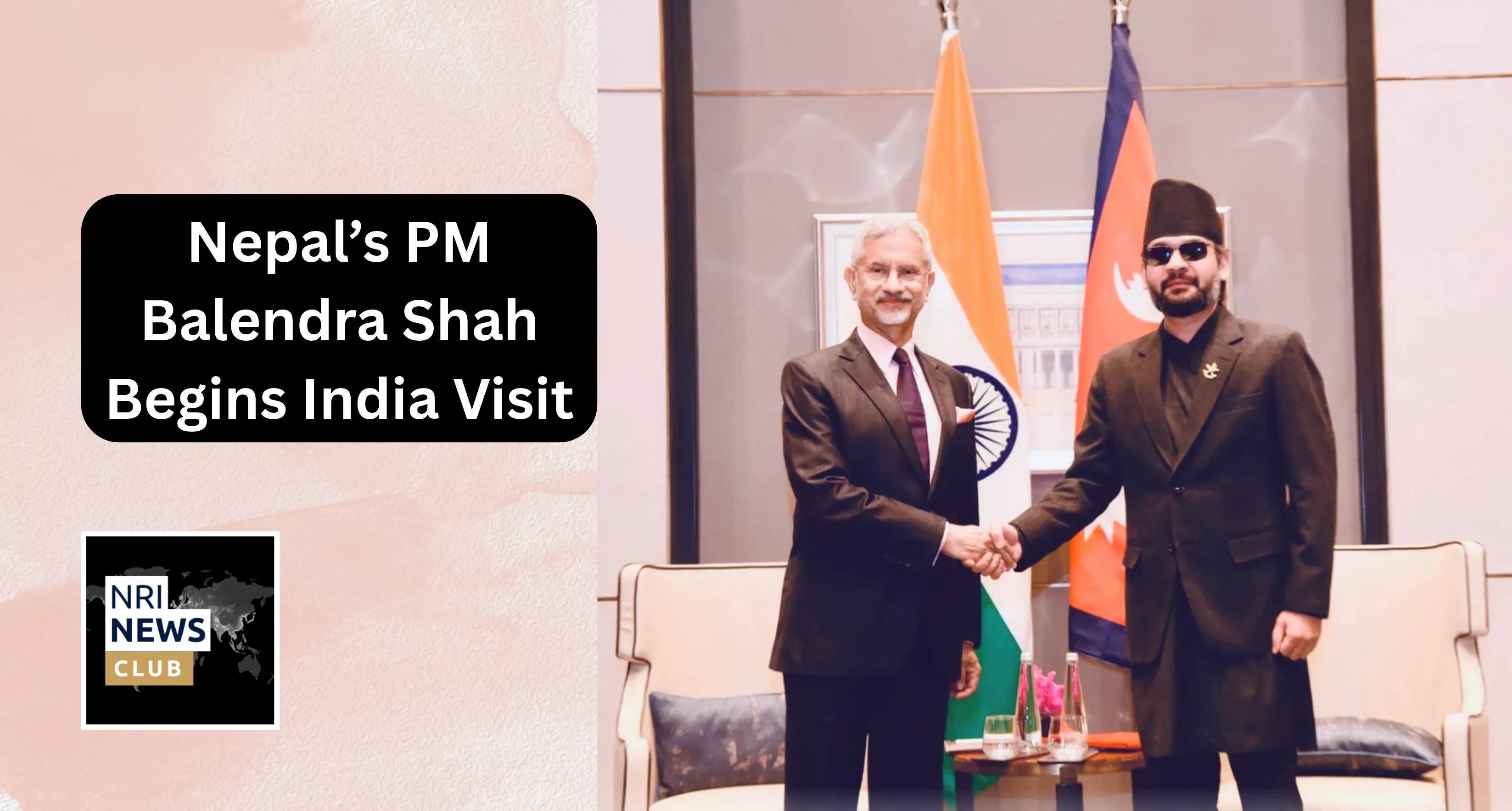
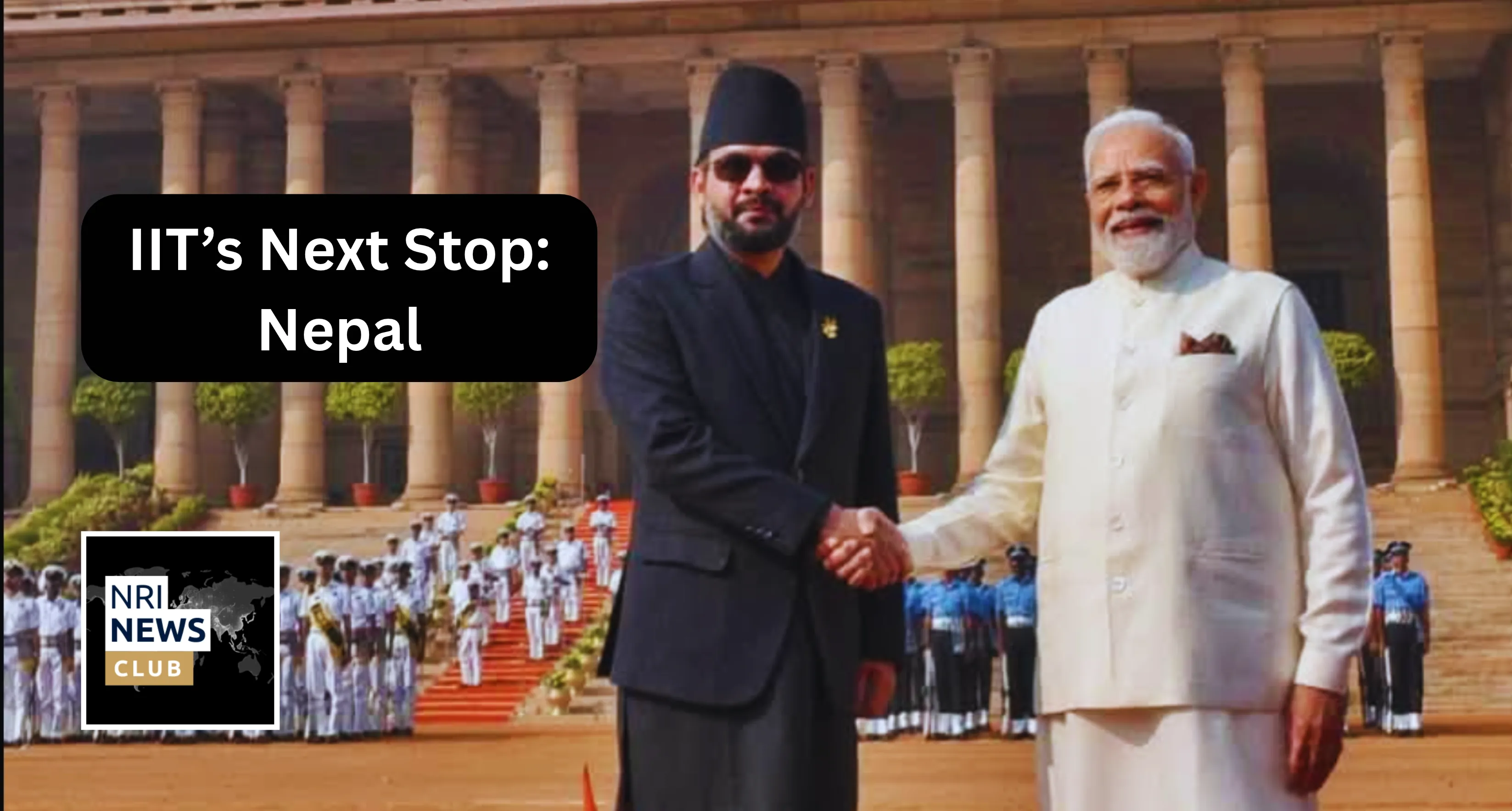
India will establish an offshore campus of the Indian Institute of Technology (IIT) in Nepal, alongside a dedicated startup incubator and an innovation hub. Prime Minister Narendra Modi announced the plans on Monday in New Delhi following bilateral talks with Nepal’s Prime Minister Balendra Shah. Behind the diplomatic headlines lies a major shift in regional education and tech policy: one that directly affects Nepali students, Indian academics, and the roughly 600,000 Indians living and working across the open border.
What was announced in Delhi
Speaking during a joint press statement at Hyderabad House after delegation-level talks, Modi framed the initiatives around empowering Nepal’s younger generation. A fitting nod given that Shah, a structural engineer himself, rose to power following youth-led protests earlier this year.
The headline announcements from Monday’s talks include:
An offshore IIT campus: A new branch of India’s premier engineering institution in Nepal, designed to give local students access to IIT-level technical education and research without leaving the country.
Startup Incubator and Innovation Hub: Dedicated facilities to mentor, fund, and scale young Nepali entrepreneurs and tech-driven ventures.
Expanded scholarships: Increased Indian government scholarships for Nepali students studying in India, with a sharp focus on law and technology.
An Agro-Industrial Park: Indian support to develop a processing hub in Nepal aimed at boosting agricultural value addition and supply chains.
Note that while the commitment is official, key operational details including which parent IIT will run the campus, its exact location in Nepal, and the launch timeline, have yet to be announced.
Building on an existing startup pipeline
The new incubator and innovation hub aren’t starting from scratch. They build directly on the India-Nepal Startup Partnership Network (IN-SPAN), launched in 2025 in collaboration with IIT Madras and its incubation arm, Pravartak.
In its inaugural cohort, IN-SPAN selected 24 Nepali startups out of roughly 250 applicants for an intensive eight-week program of mentorship, technical training, and internships at IIT Madras. Several of those founders walked away with formal incubation and investment offers from Indian institutions. Monday’s announcement effectively institutionalizes that pipeline on Nepali soil.
IIT’s growing global footprint
If completed on schedule, Nepal will become home to India’s third offshore IIT campus, following a clear pattern of New Delhi using higher education as a cornerstone of foreign policy:
-
Zanzibar, Tanzania: IIT Madras launched India’s first overseas campus here in October 2023.
-
Abu Dhabi, UAE: IIT Delhi began academic operations in January 2024 before a formal inauguration later that year.
-
Nepal: Joins the list as the first South Asian neighbor to host a campus, reflecting the deep historical and economic ties between the two countries.
Why this matters beyond diplomacy
Most coverage treats an overseas IIT campus as a soft-power win for New Delhi. For the Indian community in Nepal and NRIs watching South Asia’s tech ecosystem, the implications are much more practical.
Under the 1950 India-Nepal Treaty of Peace and Friendship, Indians need no visa or work permit to live, teach, or run businesses in Nepal. Indian professors and educators already form the backbone of several top schools and colleges in the Kathmandu Valley. An offshore IIT campus will likely draw Indian faculty, researchers, and administrative talent across the border, creating new academic postings close to home.
For Indian-origin business families in Kathmandu, Birgunj, and Pokhara, who have major stakes in manufacturing, pharmaceuticals, and trade, a local startup incubator and agro-industrial park create new avenues for cross-border joint ventures. Combined with recent digital links like UPI-FonePay integration, the tech and startup corridors between Bengaluru, Delhi, and Kathmandu are becoming noticeably easier to navigate.
This article is for information only. Specific campus locations, host institutes, and timelines are subject to official announcements by both governments.
As more details emerge, we’ll keep this article updated. Join our Whatsapp Channel and stay ahead on news that matters to NRIs.
Earlier coverage: Balen Shah Comes to Delhi: Nepal’s Rapper-PM, a Border Row, and the Indians Who Call Nepal Home