Quick answer: News outlets project Democrats won both the House and Senate in the November 3 midterms. The result won’t automatically change anyone’s visa or green card status, because many current immigration rules come from executive and agency action. But Congress can now investigate, hold hearings and slow some Republican-backed bills. If you hold a US visa, keep your documents current and watch official USCIS notices.
What happened?
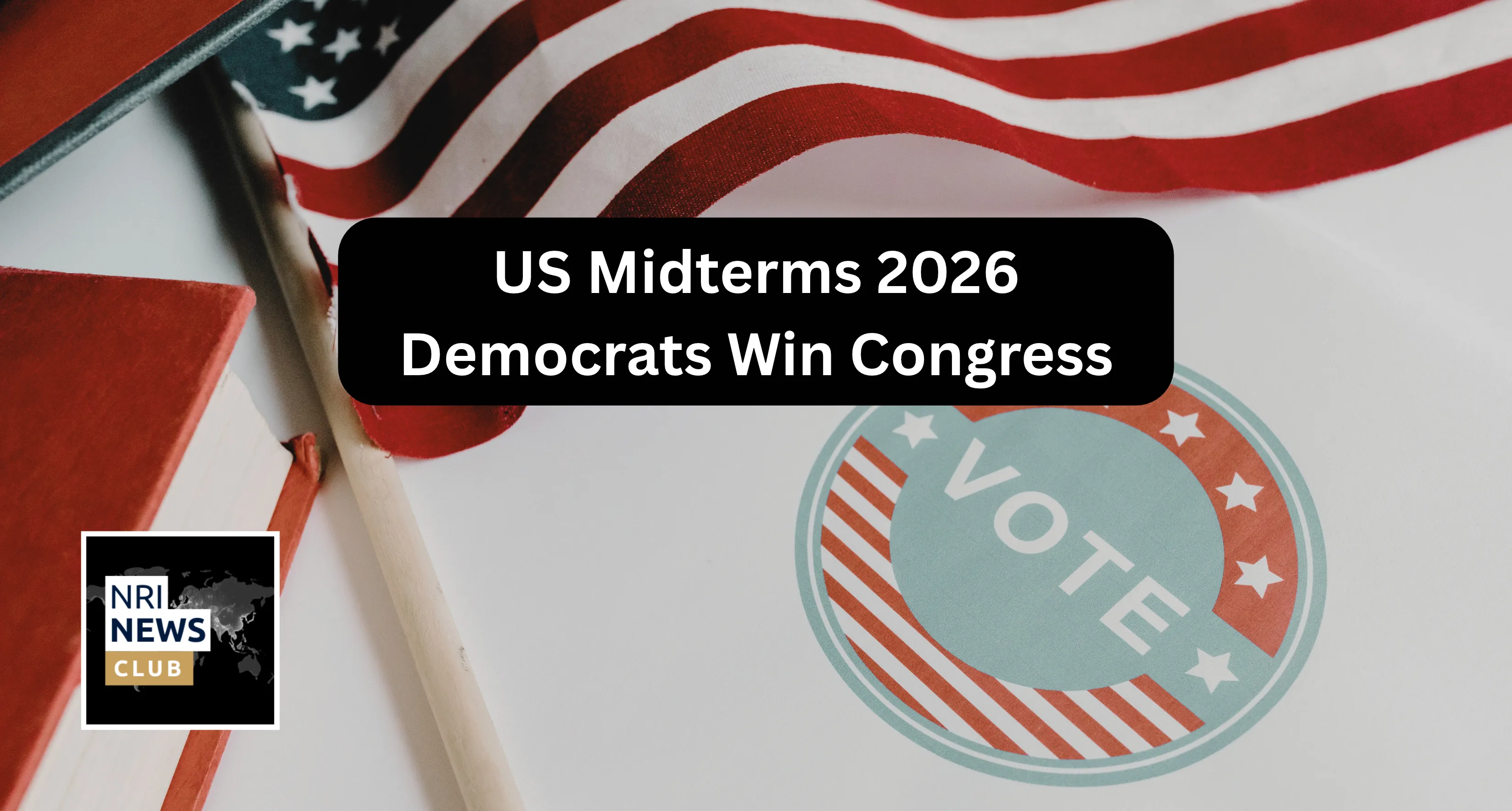
Democrats won control of both the House and the Senate in the 2026 midterms. CBS News projected Democrats won the House with victories in battleground districts across the country, and CNBC reported Democrats also flipped the Senate. Exit polling and coverage pointed to economic discontent over the cost of living as a major factor. Vice President JD Vance blamed Republican losses on the Iran war. President Trump said he would work with Democrats “for the good of our country,” while also posting an image of a “VETO” cap.
Final seat totals were still being counted, and outlets’ tallies differed. The new Congress takes office in January 2027.
Can NRIs vote in US elections?
Generally, only US citizens can vote in US federal elections. H-1B, F-1, OPT and green card holders cannot. NRIs living in the US vote in Indian elections, not American ones. But these results affect you indirectly through immigration policy, trade, markets and diaspora politics.
How does this affect my H-1B visa?
Not immediately. The results will not automatically change anyone’s visa or immigration status. Several H-1B restrictions stem from executive action and agency policy, which Congress cannot simply reverse through an election victory.
What a Democratic Congress can do is use investigations, budget powers, hearings and oversight to challenge administration policies. It could also slow some Republican-backed immigration proposals. Immigration-law firm Fragomen noted before the election that major immigration legislation is unlikely after the midterms, but immigration risk will continue through enforcement, oversight and other channels.
What about the $100,000 H-1B fee?
Its status has been contested. A federal court struck it down in June, but the administration appealed, so uncertainty remains. Some reports also describe the administration extending the requirement for certain petitions. Check current USCIS guidance, or ask your employer’s immigration attorney, before relying on any report.
What about green cards and OPT?
Indians are the group most exposed to H-1B and green card policy. The key issues in Congress are the employment-based green card backlog, per-country caps and protecting skilled H-1B workers. Indians often receive more than 70% of annual approved H-1B visas. Proposals to restrict H-1B, such as Senator Tim Sheehy’s proposed three-year pause on new H-1B visas and limits on some employment authorization for students, now face a different Senate. Don’t assume that means they’re dead, though, as policy can also change through agencies.
What does it mean for India-US trade and tariffs?
A Democratic victory would not automatically reverse tariffs or foreign policy decisions, but it could increase congressional involvement in trade and India-US discussions. Expect hearings and debate before anything changes on the ground.
Did Indian Americans win?
Several did. Reports say Pia Dandiya, Suhas Subramanyam and Aruna Miller secured key victories, while Vivek Ramaswamy lost Ohio’s governor race. Ro Khanna won re-election in California’s 17th district, and Pramila Jayapal was also reported as re-elected. Some outlets list five Indian Americans winning House seats, while others reported races such as Ami Bera’s as undecided in early results, so totals vary by outlet.
What about my investments?
US stocks rose more than 1,000 points Wednesday morning after the results. Markets move on many factors, so this isn’t a reason to change your plans. Speak to a qualified financial advisor about your own situation.
What should NRIs do now?
- Don’t panic or rush filings because of this headline alone. Rules change through agencies and courts, not just elections.
- Check your status documents: visa expiry, I-94, passport validity, and pending petitions.
- Talk to an immigration attorney if you have a pending H-1B transfer, green card step or travel plan.
- Follow official sources: USCIS and State Department notices.
- Keep your finances flexible: for NRIs with US-India transfers, avoid decisions based on one day’s market reaction.
Key dates
- November 3, 2026: Election Day
- Coming weeks: remaining races called, recounts where applicable
- January 2027: new Congress sworn in
FAQs
Does this change the H-1B lottery or wage-based selection? Not by itself. Those rules come from agency and executive action.
Will the green card backlog improve? Congress would need to pass a law, and the election alone doesn’t change that.
Will tariffs on India end? Not automatically. Congress can scrutinize them, but tariff authority involves the executive branch.
When will we know more? Likely once committees are organized in early 2027, plus any court rulings in the meantime.
This article is for information only and is not legal, immigration or financial advice. Results were still being finalized when this was written.
As more details emerge, we’ll keep this article updated with the latest, most accurate information. Join our Whatsapp Channel and stay ahead on news that matters to the NRIs.